Pipeline fabrication and installation are critical components of modern infrastructure — ensuring the safe and efficient transportation of oil, gas, water, and chemicals across regions. However, the complexity of these systems demands strict compliance with safety, quality, and efficiency standards. Adopting best practices at every stage not only safeguards workers and the environment but also guarantees long-term pipeline reliability and performance.
Why Best Practices Matter
Pipeline systems form the backbone of global energy and industrial supply networks. They deliver essential resources — fuels, water, and chemicals — over vast distances, connecting production sites with consumers.
However, any lapse during pipeline fabrication and installation can result in catastrophic leaks, explosions, environmental contamination, and financial losses. These risks make it imperative for companies to follow industry best practices that prioritize safety, planning, and operational excellence.
By adopting systematic approaches to design, construction, inspection, and maintenance, organizations can ensure both project efficiency and worker safety, minimizing costly downtime and accidents.
Pre-Work Risk Assessment and Planning
Every successful pipeline project begins with comprehensive risk assessment and planning. This foundational phase identifies potential hazards and prepares mitigation strategies before fieldwork begins.
Key steps include:
-
Conducting site evaluations to identify soil stability, weather risks, underground utilities, and nearby environmental hazards.
-
Developing a site-specific safety plan that defines protocols for emergency response, hazard control, and environmental protection.
-
Allocating resources efficiently by ensuring the availability of qualified personnel, proper tools, and approved materials.
-
Updating risk assessments regularly as conditions change during construction.
A well-structured plan reduces uncertainty, enhances coordination, and promotes safety across all project stages.
Training, Certification, and Competence
Properly trained and certified personnel are the cornerstone of safe pipeline operations. Pipeline fabrication and installation involve specialized procedures such as welding, coating, trenching, and pressure testing — all of which require technical competence and adherence to safety regulations.
Best practices include:
-
Employing workers with OSHA, ASME, or API certifications, ensuring compliance with industry standards.
-
Conducting regular training and refresher courses on safety, emergency protocols, and new technologies.
-
Running scenario-based drills to test readiness for real-world emergencies such as gas leaks or fires.
-
Reinforcing the correct use of personal protective equipment (PPE) for all tasks.
Competence-driven teams not only improve productivity but also significantly reduce the likelihood of human error.
Personal Protective Equipment (PPE) and Site Safety
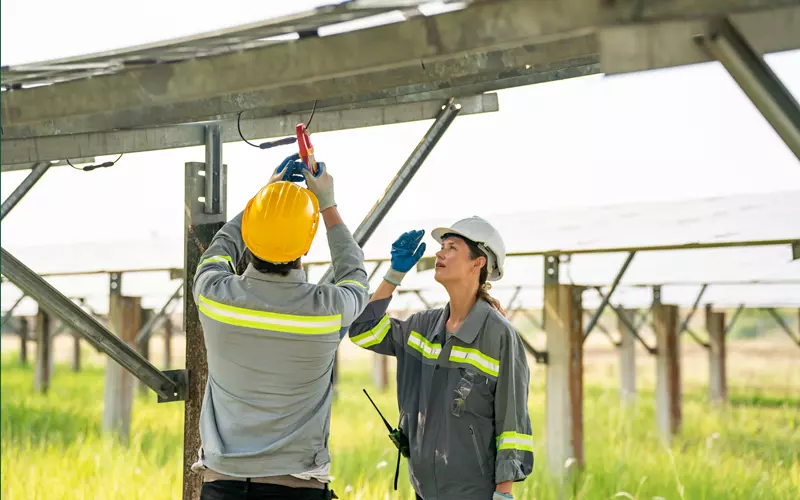
Strict enforcement of PPE use is essential in all pipeline fabrication and installation projects. Each site poses unique risks — from welding sparks and toxic fumes to heavy lifting and confined space operations.
Essential PPE includes:
-
Hard hats, gloves, and steel-toed boots
-
Eye and face protection (goggles, visors, or welding shields)
-
Hearing and respiratory protection where required
-
Flame-resistant clothing for welding or hot work areas
Regular safety meetings and toolbox talks help reinforce PPE awareness and compliance. Supervisors should routinely check the condition of PPE and ensure replacements are available when needed.
Equipment Inspection and Maintenance
Faulty equipment is one of the leading causes of on-site accidents. Therefore, routine inspection and preventive maintenance are non-negotiable parts of safe pipeline operations.
-
Inspect all equipment—including welding machines, cranes, and hydraulic tools—before use.
-
Replace or repair defective components immediately to avoid breakdowns or hazards.
-
Maintain detailed equipment logs to ensure accountability and compliance.
-
Schedule periodic audits to verify that maintenance procedures meet safety standards.
Proactive maintenance prevents costly delays and promotes reliability across all fabrication and installation activities.
Material Handling and Storage
Improper handling or storage can damage pipes and compromise integrity. Following correct material management practices ensures that every pipeline component remains in top condition until installation.
Key measures include:
-
Storing pipes properly to avoid corrosion, bending, or collapse.
-
Following manufacturer guidelines for handling coatings, fittings, and joints.
-
Using cranes or lifting belts instead of dragging pipes on abrasive surfaces.
-
Keeping materials in dry, stable environments to prevent contamination.
Adhering to proper storage and handling procedures minimizes material waste and improves project efficiency.
Environmental and Ground Hazard Monitoring
Pipeline installation frequently involves work in environmentally sensitive areas. Continuous monitoring of environmental and ground conditions is vital for preventing accidents and minimizing ecological impact.
-
Track soil stability and weather patterns to anticipate ground movement or flooding.
-
Suspend operations during unsafe conditions like heavy rain or extreme heat.
-
Reinforce trenches and work zones to prevent collapse.
-
Implement spill containment measures to protect surrounding ecosystems.
By addressing environmental factors proactively, teams can ensure both worker safety and environmental compliance.
Communication and Workflow Coordination
Clear and consistent communication is the backbone of safe and efficient pipeline projects. With multiple teams and heavy machinery in operation, real-time updates are crucial to prevent misunderstandings and delays.
Best practices include:
-
Using two-way radios, digital dashboards, and visual signals to communicate on-site.
-
Holding daily safety briefings to discuss progress and potential hazards.
-
Encouraging open communication so workers can report unsafe conditions immediately.
-
Implementing structured workflows that define roles, responsibilities, and escalation procedures.
Effective communication enhances team coordination, streamlines decision-making, and maintains productivity under pressure.
Best Practices in Fabrication and Installation
During pipeline fabrication and installation, adherence to industry standards ensures long-term integrity and compliance.
Follow these core principles:
-
Comply with ANSI, ASTM, ASME, DOT, and OSHA standards.
-
Use non-destructive testing (NDT) methods such as ultrasonic, magnetic particle, or radiographic inspections to detect flaws.
-
Apply lockout/tagout (LOTO) procedures during maintenance to prevent accidental equipment start-up.
-
Maintain proper ventilation during welding and cutting operations to reduce exposure to fumes.
-
Install fire prevention systems and keep extinguishers accessible at all times.
-
Develop and practice emergency response plans for leaks, fires, or injuries.
By following these best practices, organizations can achieve safer, more efficient, and compliant pipeline installations.
Regular Inspections, Testing, and Documentation
After installation, thorough testing and documentation validate pipeline safety and reliability.
-
Conduct hydrostatic testing or pressure testing to confirm leak-free performance.
-
Inspect all welds and joints for structural soundness.
-
Keep detailed records of design, inspection, and maintenance activities for traceability.
-
Schedule routine audits and third-party inspections to uphold compliance with regulations.
Documentation not only supports transparency but also strengthens accountability across the project lifecycle.
The Takeaway: Safety Drives Efficiency
The success of pipeline fabrication and installation depends on a balanced focus on safety, planning, and efficiency. From risk assessment to final testing, every stage benefits from disciplined execution and adherence to best practices.
Investing in training, PPE, preventive maintenance, and communication not only reduces workplace incidents but also enhances productivity and project outcomes.
Ultimately, safety and efficiency are not opposing goals — they are complementary forces that ensure pipelines operate reliably, profitably, and sustainably for decades to come.