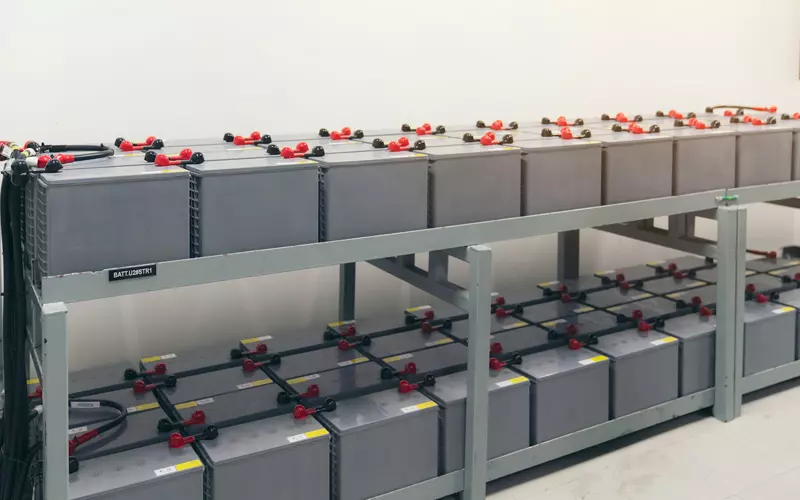
Erection and Commissioning services form the backbone of modern industrial project delivery. They bridge the critical gap between construction completion and operational readiness, ensuring that every system runs safely, efficiently, and reliably. When executed with precision and expertise, these services minimize downtime, prevent costly breakdowns, and maximize the long-term performance of assets.
In industries such as power, oil and gas, manufacturing, and chemical processing, Erection and Commissioning is where blueprints transform into fully functioning, high-performing facilities.
What Are Erection and Commissioning Services?
Erection: Turning Design into Reality
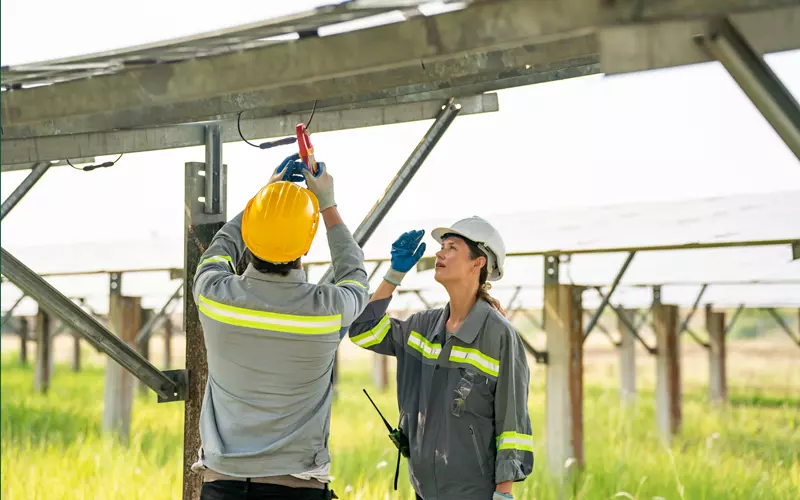
Erection refers to the assembly and installation of equipment, structures, and systems as per engineering drawings and design specifications. It involves:
-
Positioning and aligning heavy machinery
-
Installing pipelines, instrumentation, and control systems
-
Conducting dimensional accuracy and quality checks
-
Ensuring proper fit, torque, and connection integrity
This stage demands exceptional technical skill, precision alignment, and adherence to quality control standards. Even minor deviations can lead to operational inefficiencies or safety risks down the line.
Commissioning: Ensuring Operational Excellence
Once the erection phase is complete, commissioning begins. This process focuses on testing, calibration, and verification of all installed systems under actual or simulated operating conditions.
Commissioning ensures that every piece of equipment — from valves and motors to complex automation systems — operates correctly and meets design performance benchmarks. It includes:
-
Functional testing of all components
-
System integration verification
-
Calibration of instruments and control systems
-
Performance testing under load conditions
The end goal is to hand over a fully operational, safe, and efficient facility that meets both client and regulatory expectations.
Why Are Erection and Commissioning Services Critical?
1. Safety and Compliance
Industrial environments are inherently high-risk. Faulty installation or incomplete testing can result in serious accidents, environmental damage, and costly downtime.
Erection and Commissioning services ensure that every component is installed and tested according to industry safety standards (like ASME, OSHA, and ISO). This process minimizes hazards and ensures compliance with statutory regulations before operations commence.
2. Operational Efficiency
Systematic commissioning identifies design inconsistencies, misalignments, or equipment malfunctions before production begins. Early detection allows timely correction, leading to optimized process flows, reduced energy consumption, and smooth operational startups.
An efficiently commissioned plant experiences fewer unplanned shutdowns and operates at peak productivity from day one.
3. Extended Lifespan and Reliability
Proper Erection and Commissioning lays the foundation for long-term equipment health. By identifying and addressing early defects, engineers prevent premature wear, component failures, and operational disruptions. This proactive approach significantly extends equipment lifespan and ensures consistent reliability.
4. Cost Optimization
Investing in meticulous erection and commissioning saves substantial costs in the long run. Avoiding breakdowns, minimizing rework, and optimizing operational efficiency directly impact profitability. A well-commissioned system demands less reactive maintenance and offers a higher return on investment.
Best Practices for Erection and Commissioning Success
To ensure successful execution and sustainable operation, adopting structured best practices is vital.
1. Engage Skilled Professionals
Only certified, experienced professionals should handle Erection and Commissioning. Their technical knowledge of international codes and modern project management methodologies reduces risks and enhances execution quality.
Specialized contractors and engineers ensure that every stage — from installation to system validation — meets global standards for safety and performance.
2. Detailed Documentation
Comprehensive documentation is the cornerstone of traceability and accountability. Every inspection, calibration, and test result should be recorded for future reference.
Key documentation includes:
-
Installation and alignment reports
-
Test results and commissioning checklists
-
Safety and inspection certificates
-
Operation and maintenance manuals
This documentation supports regulatory compliance and simplifies troubleshooting or audits during the plant’s operational phase.
3. Comprehensive Training
Before handover, onsite personnel must receive training in equipment operation, safety procedures, and emergency response protocols.
Effective training programs help staff understand how to manage the new systems confidently, respond to alarms, and maintain safety during abnormal conditions. Well-trained teams ensure smooth operations and faster recovery from unforeseen issues.
4. Advanced Diagnostics and Testing Tools
Modern projects leverage advanced diagnostic technologies to ensure precision and reliability. These include:
-
Thermal imaging for detecting hotspots in electrical systems
-
Vibration analysis for identifying mechanical imbalances
-
Non-destructive testing (NDT) to detect hidden defects in welds or materials
-
Performance monitoring software to validate system efficiency
Such tools offer deeper insights into equipment behavior, preventing potential failures and ensuring accurate performance verification.
5. Continuous Monitoring and Feedback
Erection and Commissioning is not a one-time event but a continuous improvement process. Regular monitoring, feedback loops, and post-commissioning audits help identify areas for enhancement. This proactive approach ensures optimal long-term performance and safety.
Value in Industrial Projects
In large-scale industrial projects — from power plants and petrochemical facilities to manufacturing units and refineries — the success of erection and commissioning determines the project’s ultimate performance.
Key value contributions include:
-
Seamless transition from construction to full-scale operation
-
On-time and within-budget delivery, minimizing project delays
-
Compliance with technical, safety, and environmental standards
-
Reduced risk of early-stage failures or performance issues
-
Enhanced stakeholder confidence among clients, investors, and regulators
In essence, Erection and Commissioning services transform a completed structure into a productive, reliable, and compliant facility ready for industrial excellence.
Challenges and How to Overcome Them
Like any complex engineering task, Erection and Commissioning presents challenges such as:
-
Tight project timelines
-
Coordination among multiple contractors
-
Supply chain or equipment delays
-
Inadequate documentation or workforce training
Overcoming these challenges requires strong project management, continuous communication, and the integration of digital tools like Building Information Modeling (BIM) and IoT-based monitoring. These technologies enhance transparency, coordination, and efficiency throughout the project lifecycle.
Conclusion
The true measure of industrial project success lies not in construction completion but in how safely and efficiently it transitions into operation. Erection and Commissioning services are the linchpin of that transformation.
Through careful planning, expert execution, and strict adherence to standards, these services ensure that every system operates at its best — from the very first startup.
By minimizing risks, maximizing uptime, and extending equipment life, Erection and Commissioning not only protect capital investments but also drive long-term industrial growth and sustainability.