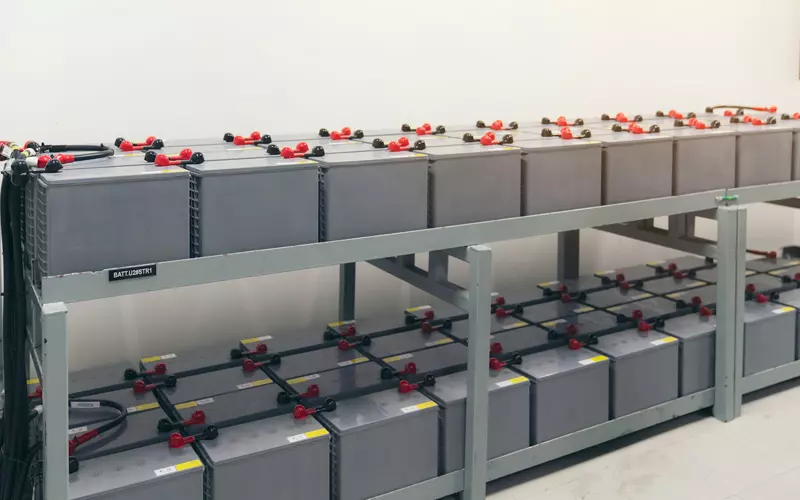
Professional engineering services are at the heart of successful infrastructure development, ensuring quality, safety, innovation, and sustainability. Understanding the Role of Professional Engineering Services helps us appreciate why their expertise and technical oversight are essential for infrastructure projects of every scale.
Introduction: Modern Infrastructure and Its Demands
In today’s fast-evolving world, infrastructure projects have become increasingly complex. From transportation networks and utility systems to energy plants and urban development projects, every sector demands specialized, high-precision solutions. The need for long-lasting, efficient, and safe infrastructure has never been more urgent.
Public and private stakeholders alike depend on professional engineering services to plan, design, and execute projects that meet both modern expectations and future demands. These services ensure that projects are technically sound, environmentally responsible, and economically feasible.
What Are Professional Engineering Services?
Professional engineering services refer to the work of licensed, qualified engineers who bring technical expertise, innovation, and management excellence to every stage of a project. Their scope includes multiple disciplines such as:
-
Civil and Structural Engineering
-
Mechanical and Electrical Engineering
-
Environmental and Geotechnical Engineering
-
Project and Construction Management
By applying advanced engineering principles and the latest technologies, professional engineers make sure every design and decision aligns with industry standards and regulatory requirements.
They translate concepts into workable, safe, and sustainable infrastructure — from highways and bridges to renewable energy systems and smart cities.
Key Benefits of Professional Engineering Services
1. Technical Expertise and Innovation
Engineers bring deep technical knowledge, blending innovation with practicality. They adopt modern methodologies, simulation tools, and sustainable materials to design cost-effective and reliable structures. Their exposure to the latest global trends ensures that each project benefits from cutting-edge engineering solutions.
2. Quality Assurance and Safety
Safety is the cornerstone of professional engineering. Engineers ensure that structures and systems meet or exceed all required quality and safety standards. Through detailed analysis, rigorous testing, and compliance audits, they reduce risks of structural failure, delays, or accidents — ensuring long-term reliability.
3. Regulatory Compliance
Modern infrastructure projects must comply with numerous regulations, codes, and environmental laws. Professional engineers understand these complexities, helping clients navigate through local, national, and international standards to avoid legal or financial setbacks.
4. Efficiency and Cost Optimization
With proper design planning and resource allocation, engineers help optimize time, labor, and materials. Their analytical approach results in reduced waste, fewer delays, and improved cost-efficiency, leading to higher returns on investment.
Stages Where Professional Engineers Play a Vital Role
Feasibility and Planning
Before any project begins, engineers conduct feasibility studies to evaluate technical, environmental, and economic viability. This phase determines whether the project can move forward responsibly and sustainably.
Detailed Design and Engineering
Using advanced tools such as CAD, BIM, and simulation software, engineers create precise project blueprints. This ensures every aspect—from foundation to finishing—is optimized for strength, efficiency, and durability.
Permitting and Approvals
Engineers handle the complex task of obtaining government permits and clearances. Their involvement ensures transparency and compliance with all legal frameworks, speeding up project approvals.
Project Management and Construction Oversight
Professional engineers often take on leadership roles in project management, coordinating with contractors, suppliers, and stakeholders. They monitor progress, conduct inspections, and ensure adherence to design specifications — helping projects finish on time and within budget.
Risk Assessment and Mitigation
Every infrastructure project comes with risks — from environmental challenges to structural uncertainties. Engineers identify these risks early and design mitigation strategies to prevent disruptions and ensure project resilience.
Sustainable and Green Engineering
Today’s engineering solutions must balance progress with environmental responsibility. Professional engineers promote sustainability by integrating eco-friendly materials, renewable energy systems, and waste-reduction technologies. These innovations reduce carbon footprints while supporting long-term ecological balance.
The Importance of Professional Engineering Services in India
In India, professional engineering services form the backbone of infrastructure growth. With rapid urbanization, digital transformation, and increasing population demands, the nation’s need for modern roads, bridges, water systems, and power grids is immense.
Professional engineers ensure that these massive undertakings are technically sound, durable, and sustainable. From smart cities and metro systems to renewable energy and highway expansions, their contribution supports India’s vision for long-term development.
Case Example: Minimizing Project Risks
Consider India’s metro rail networks and smart city projects. In many such initiatives, the active involvement of professional engineers from the planning stage helped prevent delays, cost overruns, and compliance failures. Their proactive approach — identifying risks, suggesting alternatives, and monitoring execution — has proven vital in improving project outcomes.
Collaboration and Stakeholder Engagement
The Role of Professional Engineering Services extends beyond technical design. Engineers work closely with architects, contractors, government agencies, and community groups. This collaboration ensures that all parties align on project goals, understand expectations, and resolve issues promptly.
Strong communication, coordination, and teamwork from professional engineers often make the difference between a project’s success and failure.
The Future of Professional Engineering: Continuous Learning and Innovation
The engineering field evolves rapidly. To keep pace, professional engineers embrace continuous learning—staying current with advancements in materials, design methodologies, automation, and digital tools like AI and IoT.
This mindset of lifelong improvement ensures that infrastructure projects remain future-ready, cost-effective, and technologically advanced. Engineers who adapt to modern trends like smart infrastructure and sustainable energy systems are shaping the future of global development.
Conclusion
The Role of Professional Engineering Services in modern infrastructure development is indispensable. Engineers guide projects from vision to reality with precision, innovation, and a deep sense of responsibility.
Through their expertise, they:
-
Guarantee quality, safety, and efficiency
-
Ensure compliance with regulatory frameworks
-
Deliver sustainable and cost-effective solutions
-
Support long-term growth and innovation
In a world where infrastructure defines progress, professional engineers are the silent architects of transformation. Their skills build not just structures but the very foundation of modern society.
For any organization — whether public or private — aiming for successful infrastructure development, engaging professional engineering services is not optional. It’s a strategic necessity for achieving sustainable growth, community trust, and enduring value.